
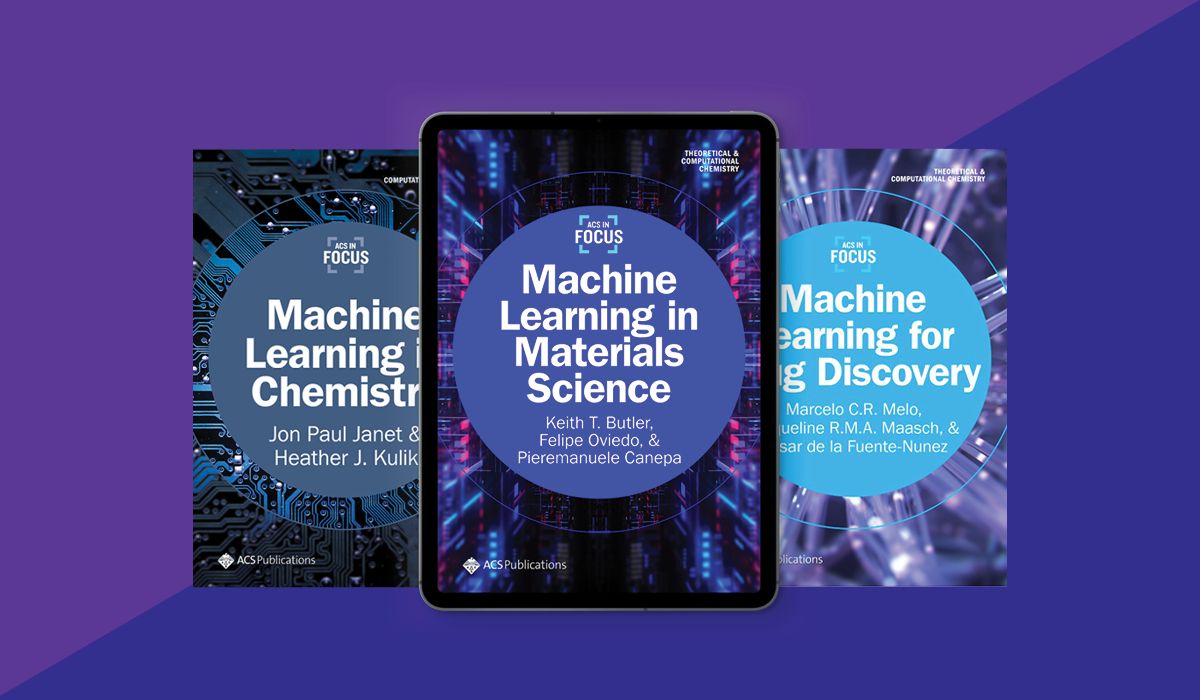
Vlbook: Transforming Digital Publishing for Authors and Readers in 2026
In an age where content consumption is increasingly mobile and interactive, publishers and authors are searching for platforms that blend technology with storytelling. Vlbook has emerged as a comprehensive solution that not only streamlines the publishing process but also enriches the reader’s experience. This article examines the key features, business advantages, and future prospects of Vlbook, offering insights for writers, publishers, and industry stakeholders.
Why Traditional Publishing Needs a Digital Upgrade
Traditional publishing models still rely on linear workflows: manuscript preparation, print production, distribution, and retail. While these steps have served the industry for decades, they pose challenges such as high upfront costs, limited market reach, and slow time‑to‑market. Moreover, readers today expect personalized content, real‑time updates, and multimedia integration—capabilities that print‑centric pipelines cannot provide.
Enter Vlbook. By harnessing cloud‑based infrastructure and artificial intelligence, this platform addresses the bottlenecks of legacy publishing while opening new revenue streams for creators.
Core Features That Set Vlbook Apart
- AI‑Powered Manuscript Editing: An embedded natural‑language processor scans drafts for grammar, style consistency, and market‑relevant keywords, reducing reliance on external copy editors.
- Dynamic Formatting Engine: One source file can be automatically transformed into e‑pub, PDF, Kindle, and even interactive web‑book formats, preserving layout fidelity across devices.
- Global Distribution Network: Partnerships with major storefronts—Amazon, Apple Books, Google Play, and regional platforms—allow authors to push updates instantly to all markets.
- Interactive Storytelling Tools: Built‑in widgets enable readers to access embedded video, audio narration, quizzes, and augmented‑reality (AR) overlays without leaving the book.
- Real‑Time Analytics Dashboard: Creators can monitor sales, reader engagement, and geographic performance, facilitating data‑driven marketing strategies.
- Secure Copyright Management: Blockchain‑backed digital rights tokens protect intellectual property and simplify royalty distribution.
Benefits for Authors
For independent writers, Vlbook reduces the financial barrier to entry. The platform’s subscription model replaces expensive upfront fees with a predictable monthly cost, while the AI editing suite accelerates manuscript readiness. Authors also retain full control over pricing and promotional campaigns, thanks to the integrated dashboard.
Established authors benefit from the ability to release “living books”—works that can be updated post‑release with new chapters, corrections, or supplemental media. This capability not only extends a title’s lifecycle but also cultivates a loyal readership that returns for fresh content.
Advantages for Publishers
Publishers leveraging Vlbook can consolidate multiple titles into a single content management system, improving operational efficiency. The platform’s batch‑processing capabilities allow for simultaneous conversion of an entire catalog into new formats, eliminating the need for separate vendors.
Furthermore, the analytics suite offers granular insight into demographic trends, enabling publishers to tailor acquisition strategies and marketing spend with unprecedented precision. The secure rights‑management system also mitigates piracy risks, a persistent concern in digital publishing.
Impact on Readers
From the consumer perspective, the most visible advantage is a richer, more immersive reading experience. Interactive elements such as embedded video interviews, background soundtracks, and AR visualizations transform a static page into a multi‑sensory journey. Additionally, the platform’s recommendation engine, powered by machine learning, suggests titles based on reading habits, increasing discovery of niche authors.
Accessibility is further enhanced through customizable font sizes, dyslexia‑friendly typefaces, and text‑to‑speech options, ensuring that a broader audience can engage with the content.
Case Study: A Success Story
When the indie thriller Night Echoes launched via Vlbook, the author utilized the AI editing tool to tighten pacing, then added an AR map of the novel’s haunted mansion. Within three months, the book reached readers in 27 countries, generating a 45% higher royalty payout compared to the author’s previous self‑published title. The real‑time analytics revealed a surge in engagement whenever the AR feature was activated, prompting the author to create a sequela with further interactive layers.
Future Outlook: What’s Next for Vlbook?
Looking ahead, Vlbook plans to integrate generative AI for personalized narrative branching, allowing readers to influence story outcomes while preserving authorial intent. A forthcoming API will enable third‑party developers to build custom educational modules on top of existing titles, opening new avenues for e‑learning publishers.
As the publishing ecosystem continues to evolve, platforms that combine technology, security, and user‑centric design will dominate. Vlbook is positioned to lead this transformation, offering a scalable, future‑proof environment for creators and consumers alike.
Conclusion
In summary, Vlbook provides a holistic solution that bridges the gap between traditional publishing strengths and modern digital expectations. By delivering AI‑enhanced workflows, global distribution, interactive reading tools, and robust rights management, the platform empowers authors, streamlines publisher operations, and enriches the reader experience. For anyone serious about thriving in the contemporary publishing landscape, exploring what Vlbook has to offer is not just advisable—it’s essential.